
Content’s not dead: What punk rock can teach you about marketing
- Marc da Motta

- Apr 25, 2025
- 4 min read

Punk rock was never meant to go mainstream. It wasn’t polished. It wasn’t focus-grouped. And it sure as hell didn’t ask for permission.
Here’s the thing though: that’s exactly what made it powerful.
In a marketing world obsessed with perfection—where every campaign is optimized into oblivion—punk reminds us of what actually moves people: raw conviction, clear values, and the guts to stand out.
And the best part? You don’t have to be in a band to think like a punk. Some of the boldest marketers and entrepreneurs on the planet already do.
Here’s what they—and punk rock—can teach us.
1. Punk didn’t wait for permission—neither should you
Punk bands didn’t sit around waiting for a record deal. They booked their own shows, pressed their own records, and made a lot of noise while figuring things out on the fly.
Same goes for the marketers who make waves.
Take Steve Jobs, Co-founder and former CEO of Apple—he didn’t wait to be told how to sell computers. He turned product launches into rock concerts and brand values into religion. He took risks most marketers would never touch and rewrote the rules in the process.
Try: Launch a scrappy version of your next campaign in a week. Send it to a small segment. Learn. Tweak. Repeat.
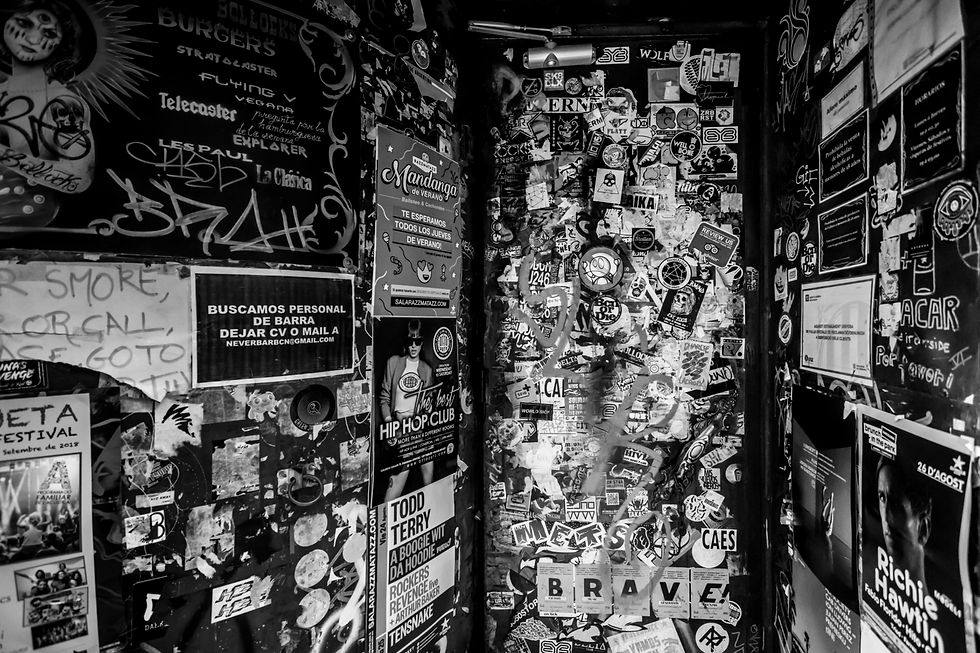
2. Be raw. Be real. Be impossible to fake.
Punk wasn’t about perfect riffs. It was about real ones. The kind that hit you in the chest because you believed every word.
That same energy applies to marketing. People are tired of buzzwords and brand-safe nothingness—they want to feel something. They want to believe you.
Jay Schwedelson, CEO of Outcome Media and Founder of SubjectLine.com, champions this approach. At INBOUND 2024, he emphasized the power of lo-fi content—intentionally raw, authentic, and less polished. He noted that engagement with such content is up 42% in the last 12 months. Schwedelson advises brands to share real, behind-the-scenes moments and challenges, highlighting that "humanity inserted into your marketing" is crucial in an era dominated by AI.
Try: Cut the corporate speak. Show your process. Share what you really think. You'll earn trust by sounding like a human.
3. Don’t build an audience. Build a scene.
Punk wasn’t just music. It was a movement. A community. A culture. It gave outsiders a place to belong.
Seth Godin, bestselling author and marketing thought leader, took that ethos and made it marketing canon. His book Tribes defined how communities form around ideas, not products. He proved that when you lead with purpose, people show up—and they bring friends.
Try: Create space for your customers to engage with each other. Highlight their stories. Let them help shape your brand’s future.

4. Embrace the DIY spirit
Punk thrived in garages and basements. No big budgets. No fancy gear. Just scrappy execution and relentless passion.
Today’s most innovative marketers still operate like that. Consider Tiffany Yu, Founder & CEO of Diversability. When traditional marketing outlets didn't elevate her brand, she took matters into her own hands, becoming her own best hype person. Through authentic storytelling and leveraging social media platforms, she built a community of over 80,000 followers, showcasing the power of a DIY marketing approach.
Try: Repurpose your best content in five new ways. Turn a blog into a script. Slice a podcast into shorts. Make your work go further.
5. Stay loud. Stay niche.
Punk didn’t water itself down to appeal to the masses. It leaned in. And in doing so, it attracted people who really cared.
Your job isn’t to please everyone. It’s to connect with the people who will ride or die with you.
Try: Revisit your brand voice. Are you playing it safe? Or are you speaking directly to the people who matter most?
Final chorus: Be brave enough to matter
Punk didn’t follow the rules. It broke them with purpose. It didn’t want everyone—it wanted the right ones.
So, here’s your permission slip to do the same.
Be bold. Be loud. Be real.
And most of all—be brave enough to matter.
Because safe marketing doesn’t build loyalty.
But brave brands?
They build movements.

Ready to stop blending in?
Smash the template.
Tear up the brief.
Let’s build something that moves people.
Let's make content that matters.


Comments